How did Japan avoid being conquered by Genghis Khan?
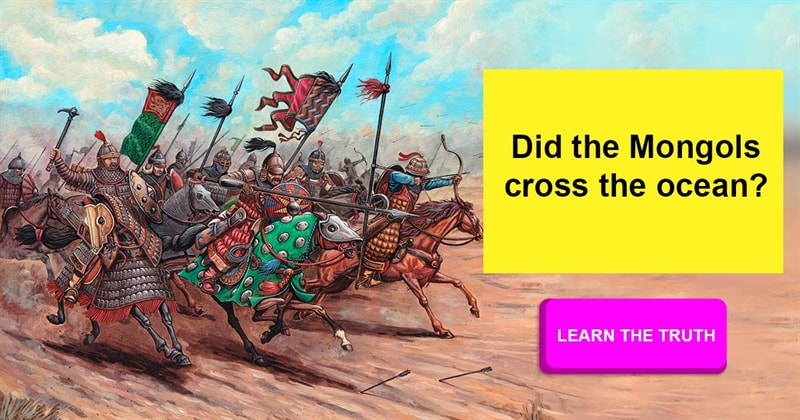
Horses are incredible animals. They’re fast, strong, hardy beasts. Using hundreds of thousands of them, Genghis Khan’s Mongol hordes conquered most of Eurasia in a matter of decades. But horses have one fatal weakness which the Japanese exploited to their limit - horses can’t swim across oceans.
Pictured: fearsome Mongol warriors. Not pictured: sea crossing.
In order to foil Genghis’ rampaging nomads, the Japanese cunningly positioned themselves 65 kilometres away from the nearest bit of land, across the Tsushima strait. This meant that the Mongols had to build boats to get there, dramatically increasing the cost of invasion, reducing the number of troops that could land, and creating a bottleneck for incoming supplies.
Still, while Genghis was content to turn a blind eye to Japan and go massacring millions of defenceless Central Asians like an overgrown playground bully, his successor Kublai Khan wasn’t such a wimp. He had his Korean vassal build 150 ships and set out for blood in 1274 with a huge invasion force of some 300–800 ships.

Red dotted line: outgoing routes of the second Mongol invasion. Blue dotted line: returning routes. Note the large amount of sea and absence of blue dotted lines.
At this point in history the Japanese martial tradition was a shadow of what it would later become. Despite marshalling the entire island of Kyushu, they had no generals used to commanding large numbers of troops, their swords broke on the Mongols’ boiled leather armour, and they faced a severe technological disadvantage. The Mongols had all the gear that allowed them to conquer most of the world: composite bows, gunpowder arrows, grenades, rockets, and a seriously bad attitude.
However, the Mongols had no idea what they would be facing and after a few skirmishes they returned to their ships for the night to avoid the risk of being separated from their landing force by the wind and waves. That night the invasion fleet was damaged by a storm, and the Japanese attacked in small ships. For most of their early history the Japanese were known to outsiders as pirates, which implies some degree of skill at fighting on water. The Mongols had no such reputation - for many of them it may have been their first time at sea. After a bit of action the remaining Mongols wimped out and went home, losing many ships to bad weather in the process.
“Dammit Sukhbaatar, that travel guide was all lies! Why couldn’t they send us to Hungary instead!”
After this, Kublai sent several emissaries to Japan, ten of whom were beheaded. Now a casual scholar of Mongol history might note that you did NOT want to behead Mongol emissaries. Beheading emissaries led to the downfall of the entire Khwarezmian Empire and the death of 1.7 million of its people, at a time when old Genghis was looking to hang up his riding boots and settle down as Emperor. (The Khwarezmians had made a fatal mistake in not putting sea between themselves and the Mongols.)
Accordingly, Kublai came back for more in 1281. Being a man who had again never set foot on a ship, he sent a massive invasion force on hastily-constructed flat bottomed river barges, who were promptly annihilated by a massive typhoon known as the kamikaze.
Mongol swimming lesson, 1281, colourised.
So essentially Japan survived the Mongols’ Asian conquests the same way Britain escaped the European conquests of Napoleon, Hitler, and the Spanish Empire: by sitting across the sea and keeping their boats in good nick.
Do you agree with the point stated? Have you ever heard about this fearsome conqueror before?












Интересные факты
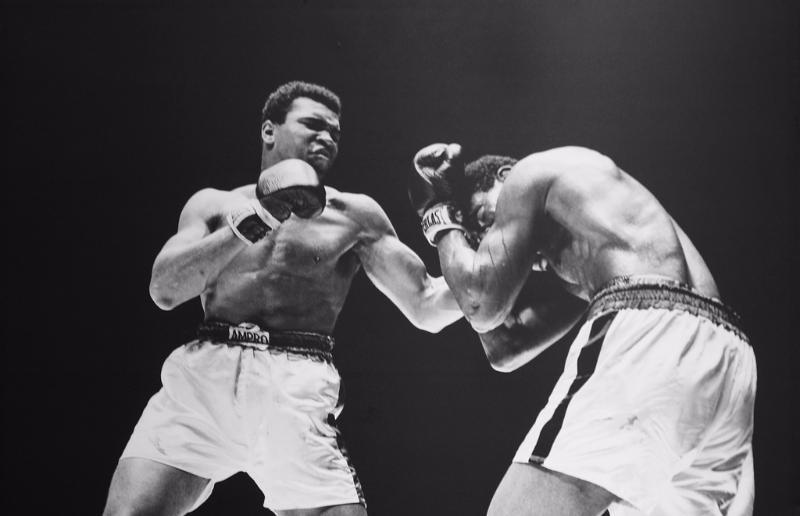
12 легендарных фактов о Мохаммеде Али - одном из самых великих спортсменов в истории! 05.06.2016
Эта анимированная карта наглядно показывает, как распространялись мировые религии по планете! 09.07.2016

Вы когда-нибудь задавались вопросом, как 5 мировых религий распределены на земном шаре? Таймлэпс видео, созданное Business Insider, демонстрирует современную ситуацию и то, как верования распространялись с течением времени. Выглядит впечатляюще!
Ширли Темпл: история самой знаменитой американской девочки-актрисы! 05.07.2016
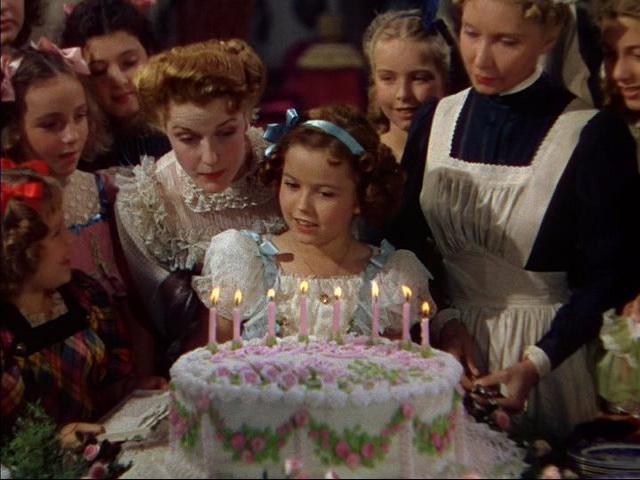
В 1930-х годах эта девочка стала любимецей Америки и самой выскооплачивоемой актрисой своего времени. Она спасла киностудию Fox Films от разорения и подарила счастливые моменты миллионам людей во время Великой Депрессии.
10 интересных фактов о дне независимости в США! 04.07.2016

Как известно, 4 июля Соединенные Штаты отмечают один главных государственных праздников страны – День Независимости. Вот несколько любопытных фактов о знаковом событии, которое и отмечается в этот день.
Главный секрет античных скульптур раскрыт: вот как на самом деле выглядели греческие статуи 30.07.2016
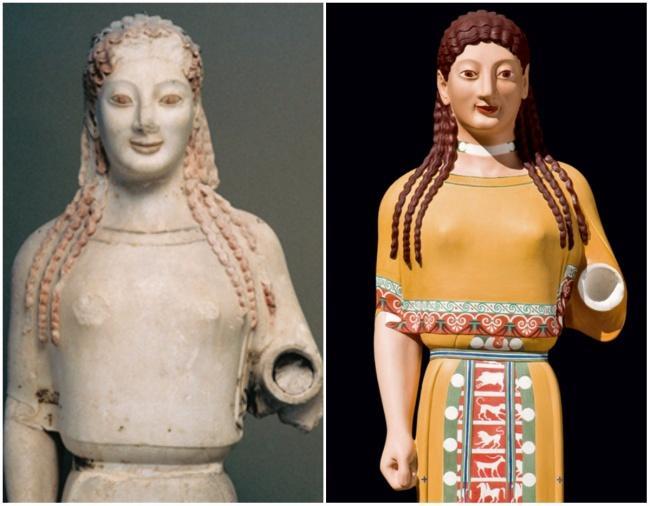
Время не щадит даже шедевры.